
Elaine K. Ginsberg’s Introduction: The Politics of Passing focuses around two distinct stories, with one involving race, and the other gender, where someone is able to “pass” as something they are not by birth, leading to distinctly different ways in which they are interacted with in society and creating unique dynamics in their relationships. However, I believe that white passing has become something of the past as blackness has now become fixated on based on the shade of skin tone as well through terms known as “light skin” and “dark skin”. This has led to added colorism in the black community as light skins often experience less severe acts of racism and are often seen as “exotic”, leading to a better social treatment in many spaces subconsciously. As a result, I doubt if there are still people who identity as light-skin who choose to be white passing over being light-skin because of the cultural significance it holds in pop culture and society. An example of this is the obsession over light-skin children by a large sector of society, leading to the romanticization of lighter shades of blackness. This both shows progress and added layers of problematic behavior as a type of blackness is slowly becoming celebrated by pop culture, yet it is a clear illustration of colorism in society as light-skin features are preferred or seen as better than dark-skin features. I believe for this reason, that the gains of being white passing are becoming slimmer and slimmer, leading to less white passing people desiring to separate from their black identities in which they often benefit from due to societal beauty standards.
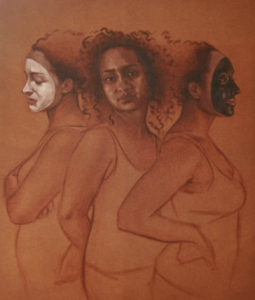
I find very intriguing your statement that it is becoming of less benefit for light-skin Black individuals to identify as white. As discussed in Ginsberg’s work, it often is difficult to convince all outsiders of a false identity, so it may be safer and more authentic to simply identify as a “light-skinned Black.” I also would find personal conflict in trying to claim a completely false identify as my own, and I would instead try to find purpose and happiness in my original identity. However, I do realize, as Ginsberg notes, that it sometimes was necessary to temporarily change one’s identity, as in the case of light-skinned runaway slaves identifying as white in order to stir less suspicion.
It’s interesting how you note that light-skinned Black people are being celebrated more in pop culture. This makes me think of celebrities like Zendaya and Will Smith who are often lauded for their looks. However, I don’t have the most experience and knowledge of this subject, so I’m not sure if light skin is really the accepted ideal in African culture. Perhaps being light-skinned likens one more to white folks, which in and of itself brings a connotation of privilege, specifically in America.
Ayanna, you brought up an interesting point about the terms “light skin” and “dark skin” we have nowadays. I also do believe this has led to added colorism in the black community. I have seen on social media how “light skins” are often seen as “exotic”. Which in turn, allows those individuals to experience less severe acts of racism. This increases the colorism in our society and it is slowly becoming celebrated by pop culture. I wonder how these terms first started coming to light and became popular to say?